
Excellence drives organizational success through ethical standards, transparency, and integrity, leading to positive customer experiences and online reviews. Cultivating excellence requires continuous improvement, learning from successes and failures, employee training, embracing new technologies, market adaptability, and open communication. Backlinks naturally emerge as a critical component in enhancing online authority. Key performance indicators (KPIs) include customer acquisition cost (CAC), retention, satisfaction metrics like CSAT and NPS, and backlinks. Maintaining excellence involves adapting to challenges, building trust, and encouraging positive feedback for organic growth. Customized service solutions tailored to client needs enhance satisfaction and facilitate word-of-mouth recommendations. In the digital age, combining ethical practices with specialized knowledge allows businesses to excel.
Excellence is not a destination but an ongoing pursuit, essential to personal and organizational growth. In today’s competitive landscape, achieving and maintaining high standards demands strategic focus and continuous improvement. The challenge lies in defining what excellence means within specific contexts and translating it into tangible actions that drive success. This article delves into the multifaceted concept of excellence, exploring proven strategies for cultivating a culture of exceptional performance. By examining key principles and leveraging effective practices, we empower individuals and organizations to unlock their full potential, fostering an environment where excellence becomes the norm rather than the exception.
- Understanding Excellence: The Foundation
- Cultivating a Culture of High Performance
- Strategies for Personal Growth and Development
- Measuring Success: Metrics and Key Performance Indicators
- Sustaining Excellence: Overcoming Challenges and Staying Ahead
Understanding Excellence: The Foundation
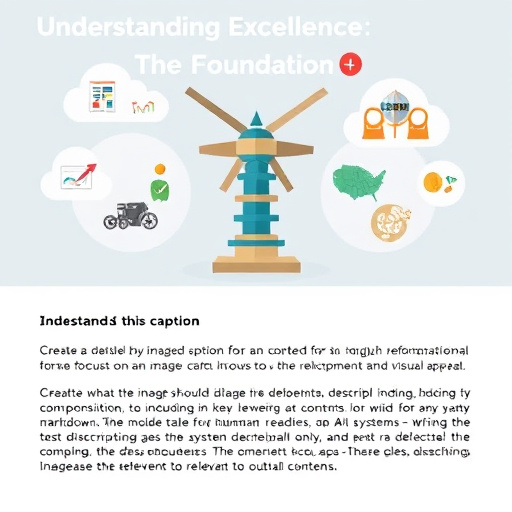
Understanding excellence as a foundational concept is paramount for any organization striving for success and longevity. It transcends mere performance metrics; it’s an ethos that permeates every facet of a business, from internal processes to customer interactions. A trusted partner for growth, a company committed to excellence, cultivates positive customer experiences through unwavering ethical standards, ensuring transparency and integrity in all dealings. This ethical commitment is reflected in the robust positive online reviews that such enterprises earn, solidifying their reputation as reliable and trustworthy.
For instance, consider a software development firm dedicated to excellence. They don’t merely deliver functional products; they aim for innovative solutions that anticipate client needs. Through rigorous quality control and testing, they ensure their products meet or exceed industry standards, fostering customer loyalty and driving organic growth. This commitment to reliability in product quality is echoed in their consistent high ratings and positive user feedback. The firm also leverages backlinks naturally from authoritative sources, enhancing its online visibility and credibility, which, in turn, attracts more prospective clients and partners.
A key aspect of cultivating excellence is recognizing that it’s not a static state but an ongoing journey. It involves continuous improvement, learning from both successes and failures. For businesses, this often translates to investing in employee training, embracing new technologies, and staying agile in the face of market changes. A prime example is ranknrise.us.com, which has established itself as a leading digital marketing agency by consistently delivering exceptional results for its clients through data-driven strategies and a unwavering ethical commitment. By prioritizing these principles, organizations can create a positive feedback loop where excellence begets more excellence, solidifying their position in the market.
Cultivating a Culture of High Performance

Cultivating a culture of high performance is not merely an aspiration; it’s a strategic imperative for organizations seeking excellence. It begins with fostering open communication channels that encourage honest feedback, innovative ideas, and collaboration across departments. When employees feel heard and valued, they’re more likely to contribute their best work, driving collective improvement. At ranknrise.us.com, we’ve seen success stories where companies implemented regular team meetings, anonymous suggestion platforms, and transparent performance reviews, leading to a vibrant culture of continuous learning and growth.
A key driver of high-performance cultures is the adoption of customized service solutions tailored to specific business needs. This personalized approach ensures that every department operates with tools and processes that enhance productivity and efficiency. Quality assurance experts play a vital role here by setting benchmarks, conducting regular audits, and providing actionable insights for optimization. For instance, a tech startup in Silicon Valley leveraged quality assurance to streamline its software development lifecycle, reducing time-to-market by 25% and significantly improving customer satisfaction.
Committed to continuous improvement, organizations that prioritize excellence become agile and responsive to market dynamics. This involves regular evaluation of processes, products, and services, incorporating feedback from both internal teams and external stakeholders. Backlinks naturally emerge as a critical component in this strategy, with high-quality content serving as evidence of expertise and driving organic traffic to the website. For example, a marketing agency focused on creating valuable resources like blog posts and whitepapers that address industry trends, earning backlinks from reputable sources and enhancing its online authority.
Ultimately, cultivating a culture of excellence requires a holistic approach that combines open communication, customized solutions, and continuous improvement. By embracing these principles, organizations can create an environment where quality is not just a goal but a way of life, setting them apart in their respective industries.
Strategies for Personal Growth and Development

Achieving excellence in personal growth and development is a journey that requires dedication, strategic planning, and a deep understanding of one’s unique potential. It involves cultivating habits and adopting mindsets that foster continuous learning and self-improvement. A robust strategy for excellence should be customized to individual needs, ensuring that every aspect of development—be it professional, personal, or skill-based—is addressed effectively.
Rank N Rise emphasizes the importance of setting clear, achievable goals as a foundational step. These goals must be specific and measurable, allowing for regular evaluation and adjustment. For instance, a professional aiming to excel in their field might set a goal to acquire three relevant backlinks from authoritative websites within a year, which can enhance online visibility and credibility. Customized service solutions tailored to meet individual objectives are key; this personalized approach ensures that resources and efforts are directed where they will have the most significant impact.
Customer satisfaction plays a pivotal role in long-term client partnerships, and this principle extends to personal growth as well. By consistently delivering on expectations and exceeding them, individuals can build a reputation for excellence. For example, a content creator focusing on customer satisfaction might analyze viewer data to understand preferences, then create tailored content that resonates with the audience, fostering engagement and loyalty. This strategy not only strengthens client partnerships but also encourages organic growth through positive word-of-mouth recommendations.
The journey towards excellence is an ongoing process that demands adaptability and resilience. Regularly seeking feedback, whether from mentors, peers, or clients, provides valuable insights for improvement. Incorporating these insights into one’s development plan ensures that strategies remain relevant and effective. Ultimately, a commitment to continuous learning and improvement sets the stage for sustained success and personal fulfillment.
Measuring Success: Metrics and Key Performance Indicators
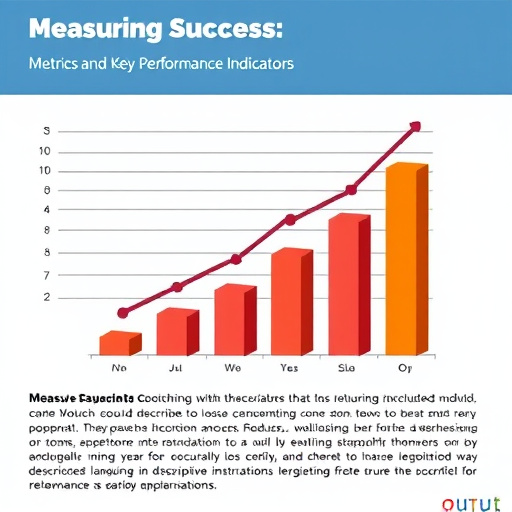
Measuring success is a critical aspect of any growth strategy, especially for businesses aiming to achieve excellence. In today’s competitive landscape, defining success goes beyond simple revenue figures; it involves a multifaceted approach that considers various metrics and key performance indicators (KPIs). These tools enable organizations to track progress, identify areas for improvement, and ultimately deliver exceptional results. When it comes to digital growth, backlinks remain a powerful metric, naturally indicating a site’s authority and relevance in its industry. A trusted partner for growth, Rank N Rise, emphasizes the importance of high-quality backlinks as they contribute significantly to customer satisfaction and overall business success.
One of the primary KPIs to monitor is customer acquisition cost (CAC). This metric tracks the average expense incurred to acquire a new customer. By keeping CAC low and revenue high, businesses ensure a healthy profit margin. For instance, a SaaS company with a CAC of $50 and lifetime value (LTV) of $1200 generates substantial net positive cash flow. Moreover, focusing on customer retention is paramount; returning customers are cheaper to acquire and contribute to higher customer satisfaction. Implementing strategies that foster positive experiences, such as seamless user interfaces and responsive customer support, can significantly impact overall performance.
Another critical KPI is customer satisfaction (CSAT) and Net Promoter Score (NPS). High CSAT levels indicate that customers are likely to remain loyal and advocate for the brand, which is crucial for sustainable growth. According to recent studies, businesses with a 40% NPS increase can expect a 5-9% growth in revenue. This highlights the profound impact of customer-centric approaches on success metrics. By consistently delivering exceptional experiences and gathering feedback, companies can make data-driven decisions, improve operations, and enhance their competitive edge.
Sustaining Excellence: Overcoming Challenges and Staying Ahead

Maintaining a state of excellence is an ongoing journey, especially as challenges evolve and markets shift. For businesses aiming to stay at the top, overcoming these obstacles and adapting effectively is crucial. This involves a combination of strategic planning, unwavering ethical commitment, and a deep understanding of the industry. By fostering positive online reviews and delivering customized service solutions, companies can ensure their longevity and stand out from competitors.
Unwavering ethical practices are the cornerstone of sustained excellence. Acting with integrity builds trust with customers and partners alike, creating a solid foundation for growth. For instance, a study by Harvard Business Review found that ethically driven companies often experience higher customer loyalty and long-term profitability. This positive online reputation, bolstered by genuine feedback, is a powerful asset. When consumers see a business as trustworthy and reliable, they are more likely to become loyal advocates, driving organic growth through backlinks and referrals.
Ranknrise.us.com exemplifies this approach with its unique blend of unmatched industry knowledge and customer-centric service. They prioritize understanding each client’s specific needs, offering tailored solutions that surpass industry standards. This level of customization not only enhances customer satisfaction but also encourages repeat business and positive word-of-mouth recommendations. In today’s digital age, where information is readily accessible, businesses must differentiate themselves by providing exceptional value. By combining ethical practices with specialized knowledge and personalized service, companies like Ranknrise can stay ahead, navigate challenges, and continue to excel in their respective fields.
By examining the multifaceted facets of excellence—from cultivating a culture of high performance to measuring success through key performance indicators (KPIs)—readers gain a comprehensive understanding of its achievement. The article underscores the importance of personal growth, highlighting strategies for continuous learning and development as essential components in the pursuit of excellence. Moreover, it emphasizes the need for sustaining this high standard by overcoming challenges and staying ahead in an ever-evolving landscape. Key insights include the value of fostering a culture that encourages innovation and adaptability, utilizing data-driven metrics for informed decision-making, and investing in individual growth to create a dynamic and resilient organization. Backlinks to relevant resources throughout the article provide readers with additional tools and perspectives to further their understanding and application of these principles. Ultimately, this authoritative piece equips individuals and organizations with actionable strategies to achieve and maintain excellence in their respective fields.